Premier Bio Energy Division represents the company's expansion into the renewable energy sector, with a primary geographic focus on East Kalimantan.
Eastern Kalimantan possesses vast natural resources, particularly within the coal sector, encompassing approximately 400,000 hectares of mine land. Within this area, there are more than 100,000 hectares of potential former coal mine sites requiring land restoration activities such as reclamation and revegetation.
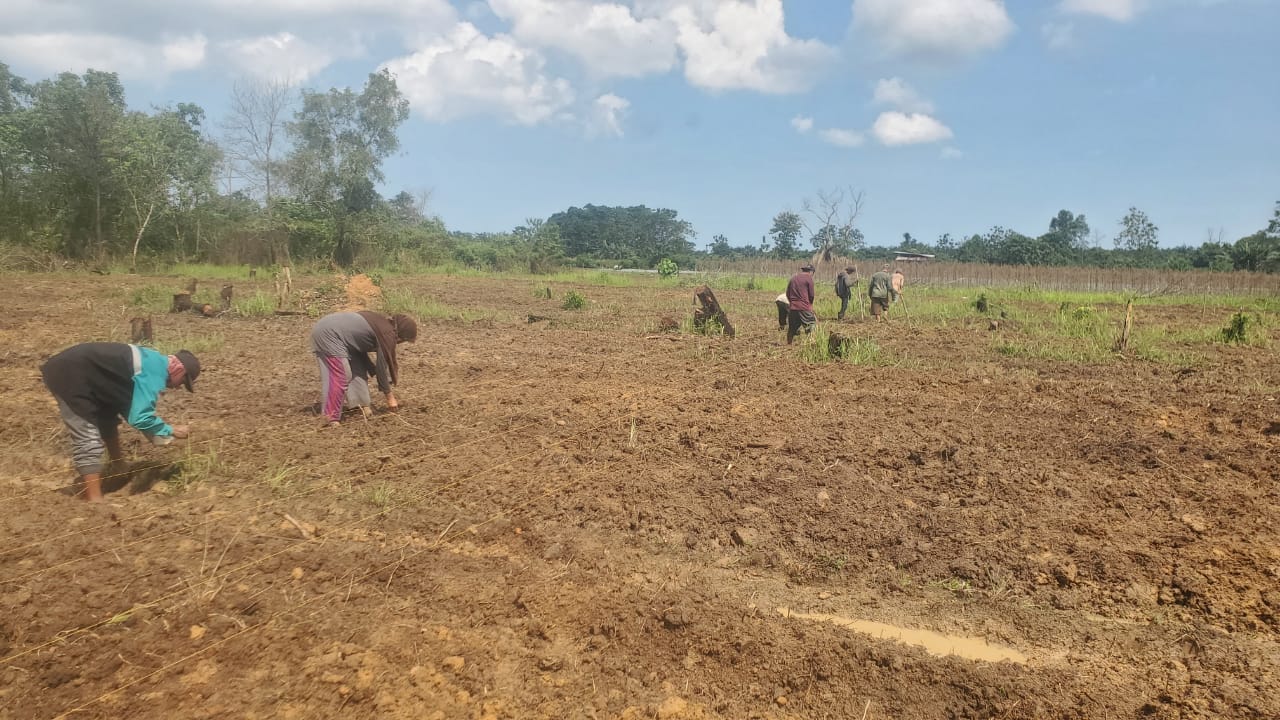
Comprehensive land rehabilitation process that transforms disturbed mine sites into productive agricultural or forestry land, in compliance with Indonesian Ministry of Energy and Mineral Resources (ESDM) regulations and PROPER environmental standards. Key activities include: re-grading and contouring of overburden dumps to restore natural drainage patterns, installation of erosion control structures (silt fences, check dams), soil fertility restoration through composting and bioremediation, and establishment of productive land use — including sorghum cultivation for bioenergy feedstock. Final reclamation sign-off requires passing KLHK environmental audits and achieving minimum 80% vegetation cover.
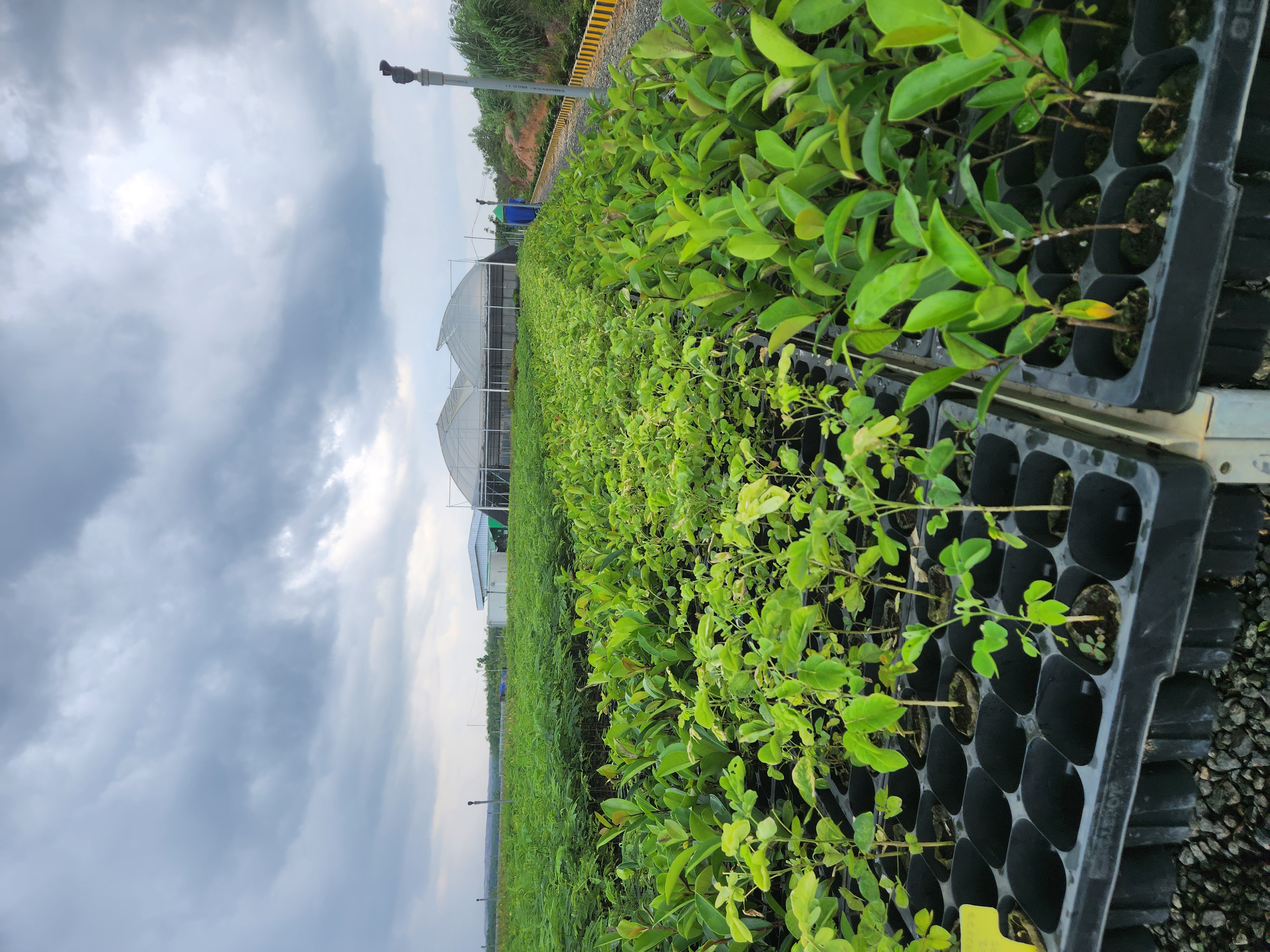
Systematic restoration of vegetation cover on post-mining land through multistage planting programs. Involves topsoil replacement and soil amendment with organic matter to restore nutrient profiles, followed by pioneer species planting (fast-growing legumes and grasses) to stabilize the surface. Subsequent phases introduce native tree species suited to East Kalimantan's tropical climate. Sorghum is integrated as a dual-purpose crop: providing ground cover to prevent erosion while generating biomass yield. Monitoring includes soil pH, organic carbon levels, and canopy coverage assessments at 3-month intervals.

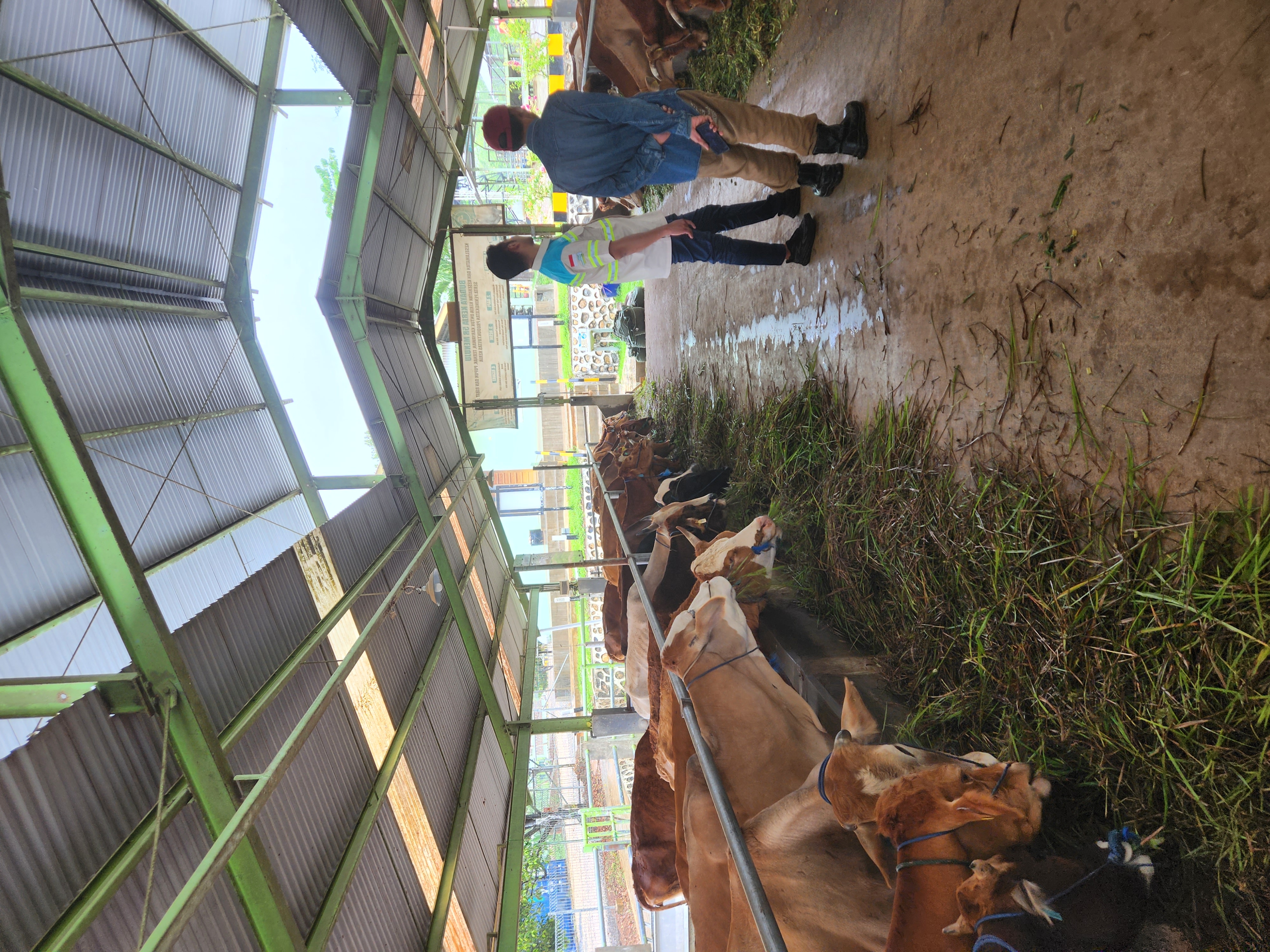

The success of PT. Premier Dasco Tradaservices’ integrated model depends on the synergy between industrial automation and sustainable agricultural practices. While PremierChem secures operational efficiency for heavy industries, Premier Bio Energy addresses the environmental legacy of those industries through land reclamation.
The company emphasizes that the sustainability of the sorghum-based bio-energy initiative is contingent upon stakeholder support, particularly for fostering community-based agricultural cultivation. This collaborative approach is essential for scaling the 3F+ Concept and achieving the vision of becoming a leading renewable energy and environmental services entity.